Source Portable Air Cooled Propane Torch for Welding and Heating
Find 30 portable air cooled propane torch options from Chinese manufacturers. Compare models like SH2690 and GV-111 for gas welding and refrigeration parts. These tools support OEM customization and offer water cooling variants for diverse industrial applications; compare the available evidence and request quotations based on your requirements.
Key considerations
Products List
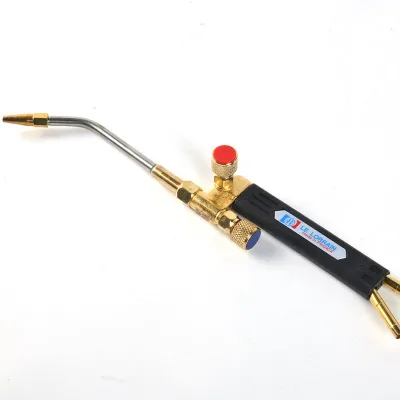


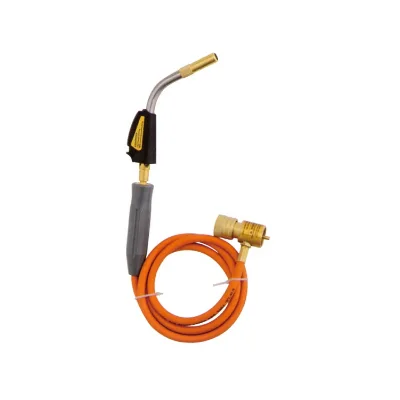


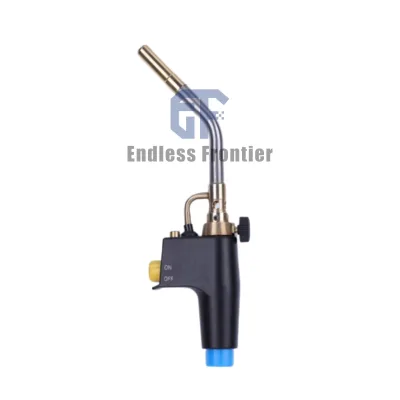


Comprehensive Sourcing Guide
Portable Air Cooled Propane Torch Sourcing Guide
Sourcing portable air cooled propane torches requires careful attention to thermal management and gas delivery systems, as these tools are frequently used in field applications where water cooling is impractical. Buyers must distinguish between jet suction and balanced pressure types, as each operates differently under varying gas pressures and ambient conditions. The observed market data indicates a strong presence of OEM manufacturers from China, particularly in Zhejiang, offering models like the Welding Torch-01 and various heating torches with specific diameter and thickness capabilities. Understanding these mechanical distinctions is critical for selecting a torch that matches the intended workflow, whether for delicate refrigeration work or broader industrial heating tasks.
Procurement teams should also evaluate the physical form factor and packaging, as portability is a key selling point for this category. Listings frequently highlight "portable" sizes and robust carton packaging, which suggests a focus on durability during transit and storage. The availability of customized support allows buyers to tailor specifications, such as flame number or handle design, to specific operational needs. However, the diversity of model numbers, ranging from SH2690 to 1C022 series, implies that buyers must verify exact compatibility with existing gas regulators and hoses. This guide provides a framework for navigating these variations while ensuring that the selected equipment meets safety and performance standards for professional use.
Product Scope and Observed Listing Signals
The current market for portable propane torches features a wide array of models designed for specific thermal applications, with observed listings highlighting capabilities for welding thicknesses under 5mm and heating tasks up to 15mm. Buyers will encounter products labeled as gas torches, jet suction types, and balanced pressure types, each suited to different pressure environments and fuel efficiency requirements. The presence of multiple flame configurations, including single and multiple flame options, indicates that suppliers cater to diverse precision needs, from fine soldering to broader heating zones. This variety necessitates a clear definition of the end-use case to avoid purchasing equipment with excessive or insufficient thermal output for the intended task.
Packaging and branding signals further refine the scope, with many suppliers offering strong carton or clamshell packaging to protect the torch during shipping. The brand Aotaier appears prominently in the data, suggesting a established presence in the OEM sector, while other models like HH02 and GV-111 point to specialized heating torch variants. Buyers should note that while some listings mention leather packaging, this is likely an outlier or specific to premium kits, whereas standard strong color cartons are more common. Understanding these listing signals helps procurement teams filter through the 30 observed products to identify those that align with their specific volume requirements and technical specifications, ensuring a focused sourcing strategy.
Technical Specifications to Verify
When evaluating technical specifications, buyers must prioritize the maximum amperage and diameter compatibility, as these factors directly impact the torch's performance and safety. The observed data suggests a range of 0.6-3.2mm for certain attributes, which likely refers to hose or nozzle dimensions, requiring verification against the specific gas line infrastructure. It is essential to confirm whether the torch is designed for propane or LPG, as fuel compatibility affects flame temperature and stability. Additionally, the distinction between water-cooled and air-cooled designs is critical, with air-cooled models being preferred for portable applications due to their simplicity and lack of external cooling loops, though they may have lower continuous duty cycles.
Buyers should also scrutinize the maximum welding or heating thickness capabilities, which vary significantly across models, from less than 5mm to over 15mm. This specification determines the torch's suitability for thin-sheet metal work versus thicker structural components. The model numbers, such as SH123 or 1C022-0161, often encode specific features like nozzle size or heating length, so cross-referencing these codes with supplier datasheets is necessary. Furthermore, the application type, whether for hand-held use or refrigeration parts, influences the ergonomic design and weight distribution. Verifying these technical details ensures that the selected torch can handle the required thermal load without compromising operator safety or efficiency.
Compliance and Safety Documentation
Compliance with international standards is a non-negotiable aspect of sourcing portable propane torches, particularly when importing from regions like Zhejiang, China. Buyers must request valid certification documents, such as ISO9001 for quality management and CE marking for European market compliance, to ensure that the manufacturing processes meet rigorous safety and quality benchmarks. The presence of BSCI certification in some listings indicates adherence to social compliance standards, which may be relevant for companies with strict ethical sourcing policies. Verifying these certifications helps mitigate risks associated with substandard materials or manufacturing defects that could lead to gas leaks or flame instability during operation.
Safety documentation should also include detailed user manuals and warning labels in English, clearly outlining proper handling procedures for combustible gases like propane and LPG. Buyers should verify that the torches are designed with flashback arrestors or similar safety mechanisms to prevent reverse flame travel, a critical feature for preventing accidents. Additionally, checking for compliance with local gas appliance regulations in the destination country is essential, as standards vary significantly between regions. Ensuring that all safety-related documentation is complete and accurate protects the buyer from liability issues and ensures that end-users can operate the equipment safely and effectively in the field.
Cost Drivers and Commercial Terms
Cost drivers for portable propane torches include the complexity of the internal mechanism, the quality of materials used in the nozzle and handle, and the level of customization required. OEM support allows for tailored specifications, which can increase unit costs but may reduce long-term operational expenses by improving efficiency and durability. The observed MOQ range of 10-1200 units suggests that smaller orders may incur higher per-unit prices, while bulk purchases can leverage economies of scale. Buyers should negotiate based on volume tiers and consider the total cost of ownership, including maintenance and replacement parts, rather than focusing solely on the initial purchase price.
Commercial terms such as packaging and lead times also impact the overall cost structure. Strong carton packaging is standard, but specialized packaging like clamshells or leather cases may add to the cost. Lead times can vary based on the customization level and production schedule, so buyers should establish clear delivery expectations to avoid supply chain disruptions. Additionally, warranty terms, such as the observed 3-year warranty, provide valuable protection against defects and should be factored into the risk assessment. Understanding these commercial dynamics enables buyers to structure contracts that balance cost efficiency with reliability and service support.
Supplier Qualification and Quality Control
Supplier qualification begins with verifying the manufacturer's production capabilities and quality control processes, particularly for companies offering OEM services. Buyers should request evidence of consistent production standards, such as ISO9001 certification, and inquire about the testing procedures used for each batch of torches. Quality control measures should include pressure testing, flame stability checks, and material inspections to ensure that each unit meets the specified technical parameters. Engaging with suppliers who have a transparent quality management system reduces the risk of receiving defective products and ensures long-term reliability.
Additionally, buyers should assess the supplier's responsiveness and ability to provide technical support, as this is crucial for resolving any issues that may arise during procurement or use. Communication in English is a key factor, as it facilitates clear understanding of specifications and requirements. Visiting the factory or conducting third-party audits can provide valuable insights into the production environment and workforce conditions. By prioritizing suppliers with robust quality control and strong communication channels, buyers can build a reliable supply chain that supports their operational needs and minimizes the risk of supply disruptions.
Long-Term Procurement Checks
Long-term procurement success depends on establishing ongoing performance reviews and feedback loops with suppliers. Buyers should monitor the reliability of the torches in the field, tracking metrics such as flame consistency, durability, and ease of maintenance. Regular audits of supplier performance, including delivery times and defect rates, help identify areas for improvement and ensure that the supplier continues to meet evolving requirements. Building a strong relationship with the supplier can also facilitate access to new product innovations and improved pricing structures over time.
Furthermore, buyers should stay informed about changes in safety regulations and industry standards that may affect the use of propane torches. Periodic re-evaluation of the supplier's certification status and compliance documentation ensures that the products remain legally compliant in the destination market. By maintaining a proactive approach to supplier management and quality assurance, buyers can secure a steady supply of high-quality portable propane torches that support their operational goals and safety standards. This strategic focus on long-term partnership and continuous improvement is essential for sustaining procurement efficiency and product reliability.
FAQs
What certifications do these portable air cooled propane torches have?
These torches hold ISO9001, CE, and BSCI certifications to ensure quality and safety standards. The product page also lists ISOCE as a certification. Buyers should verify specific certificate documents with the supplier before placing large orders to confirm compliance with local regulations.
Which welding thickness ranges can this portable air cooled propane torch handle?
The torch handles various thicknesses including less than 5mm, 5 to 10mm, and greater than 15mm depending on the specific model. Different models like SH2690 or HH02 may have distinct capabilities. Users must select the correct model number to match their specific material thickness requirements for optimal performance.
Can I get customized support for this portable air cooled propane torch?
Yes, customized support is available for this portable air cooled propane torch through OEM services. Buyers can request specific modifications to meet unique operational needs. The product listing confirms customization is available, allowing for tailored solutions while maintaining the core functionality of the welding torch.
What is the typical MOQ for ordering this portable air cooled propane torch?
The minimum order quantity ranges from 10 to 1200 units depending on the specific model and supplier terms. Some models may require higher volumes while others allow smaller initial purchases. Buyers should confirm the exact MOQ with the manufacturer to ensure it aligns with their inventory planning and budget constraints.
How is the portable air cooled propane torch packaged for shipping?
Packaging options include strong cartons, clamshell packaging, and standard leather cases depending on the specific product model. The packaging is designed to protect the torch during transit. Buyers should specify their preferred packaging type when ordering to ensure the product arrives safely and meets their logistical requirements.
Which combustible gases are compatible with this portable air cooled propane torch?
This torch is compatible with Propane and LPG as the primary combustible gases. It is designed to operate efficiently with these specific fuel types. Users must ensure they use the correct gas type to maintain flame stability and safety during welding or heating applications as specified in the product documentation.
What is the warranty period for this portable air cooled propane torch?
The product comes with a 3-year warranty covering manufacturing defects and performance issues. This warranty ensures long-term reliability for professional users. Buyers should retain proof of purchase and follow maintenance guidelines to keep the warranty valid throughout the specified three-year period from the date of delivery.